For years, design value was often measured by output. How many screens could you finish? How polished was the UI? How quickly could you move from wireframe to final handoff? Those things still matter, but AI is changing the center of gravity. The most valuable designers now are not just visual executors. They are becoming creative directors inside an AI-assisted workflow.
01 Production is getting cheaper, judgment is getting rarer
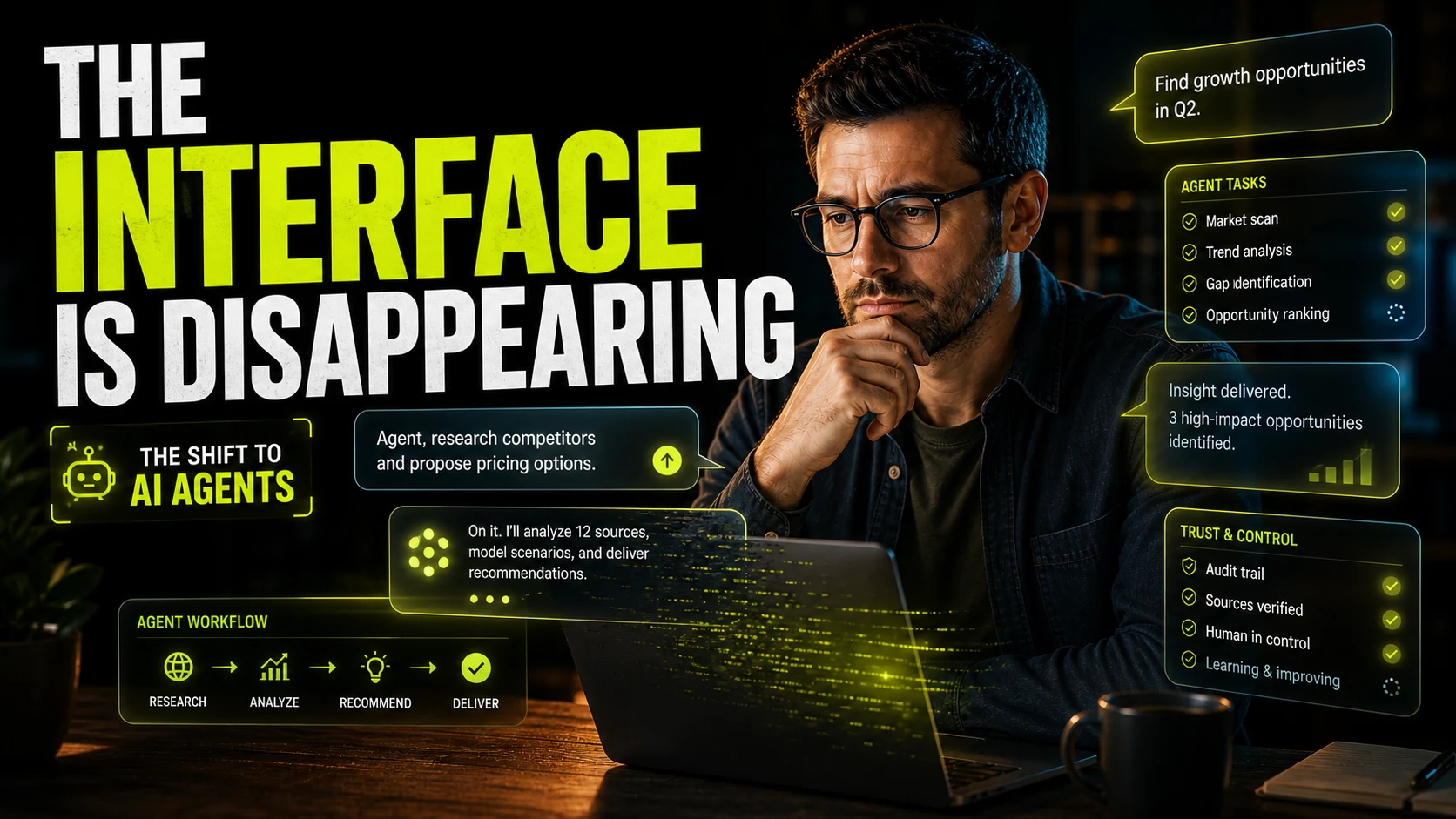
AI can already generate layouts, draft content, suggest components, produce variations, and support design-to-code workflows at a speed that would have felt unrealistic not long ago. That means a growing portion of production work is no longer the highest-value part of the job. When the cost of output drops, the value of direction rises.
This is where many designers are being pushed upward in the best possible way. Teams still need someone to define what a product should feel like, which direction matches the brand, which flows are intuitive, and which AI-generated ideas are worth developing. Those are creative-director decisions, even when they happen inside product design rather than advertising.
AI is very good at giving teams more options. It is still human judgment that decides which option deserves to become the product.
02 Designers are moving from execution to orchestration
A strong designer today increasingly works like an orchestrator. They set the tone, shape the experience, review the output, and connect design decisions back to business goals and user needs. Instead of manually designing every screen from zero, they curate and refine faster than before.
That is one reason vibe designing matters so much. It reflects a broader shift toward intent-led design. The designer becomes the person who defines the emotional and strategic direction first, then uses AI to accelerate exploration and alignment.
What AI creative directors do well
- Translate product goals into a clear visual and emotional direction
- Spot the difference between impressive output and useful experience design
- Balance speed with brand consistency and UX quality
- Guide AI tools without losing human taste and product logic
03 Why hiring expectations are changing
Companies are no longer looking only for people who can make polished mockups. They want designers who understand systems, product thinking, collaboration, and how design decisions affect development. That is especially true in smaller teams where the line between concept, prototype, and implementation is getting thinner every month.
A designer who can work across AI tools, Figma, and frontend-aware workflows is now far more flexible than someone whose value depends on manual screen production alone. That does not make craft irrelevant. It makes craft part of a bigger job.
04 Taste still matters more than the tool
It is easy to get distracted by tooling. But the real differentiator is still taste. The ability to recognize weak hierarchy, emotionally flat interfaces, off-brand language, or awkward interactions is not something a prompt automatically solves. AI can raise the floor. It does not guarantee a memorable product.
That is why the best designers are not obsessing over whether AI can generate enough screens. They are thinking about whether those screens say the right thing, support the right behavior, and create the right feeling for the user.
05 How this becomes real in everyday tools
This shift is not only philosophical. It is already visible in the tools teams use every day. Figma AI, code-aware design workflows, and faster prototyping systems are all giving designers more leverage, but they also demand better creative judgment in return. If you want to see how that plays out in practice, this breakdown of modern Figma AI workflows shows where the creative-director mindset starts becoming operational.
The designer of the next few years will not just be someone who knows which tool to open. It will be someone who knows how to lead the work once the tool opens.
Design is not becoming less human. It is becoming more strategic. As AI absorbs more repetitive production work, the designer's role is moving toward direction, refinement, and systems-level thinking. The people who thrive next will be the ones who can think clearly, guide creatively, and use AI without letting the work lose its soul.
FAQ
Common questions about Why Designers Are Becoming AI Creative Directors
A quick summary of the most common questions readers have about this topic.
An AI creative director is a designer who uses AI tools strategically, guiding outputs through product thinking, brand judgment, storytelling, and user experience rather than relying on manual production alone.
No. Repetitive production work is becoming more automated, but strong designers are becoming more valuable because teams still need human judgment, systems thinking, and creative direction.
Product thinking, UX strategy, brand sensitivity, communication, frontend awareness, and the ability to refine AI-generated work are becoming especially important.
Because those designers can move faster, collaborate better across product and engineering, and turn AI-generated exploration into usable, high-quality product decisions.
Vibe designing depends on clear creative direction. Designers who can define tone, intent, and experience quality naturally become the people guiding AI instead of just executing screens.