Product design is starting to feel less like assembling screens and more like directing energy. That is the shift behind vibe designing. Instead of beginning with rigid wireframes and carefully measured boxes, designers are increasingly starting with mood, audience, product intent, and the kind of feeling a digital experience should create from the first second.
01 What vibe designing actually means
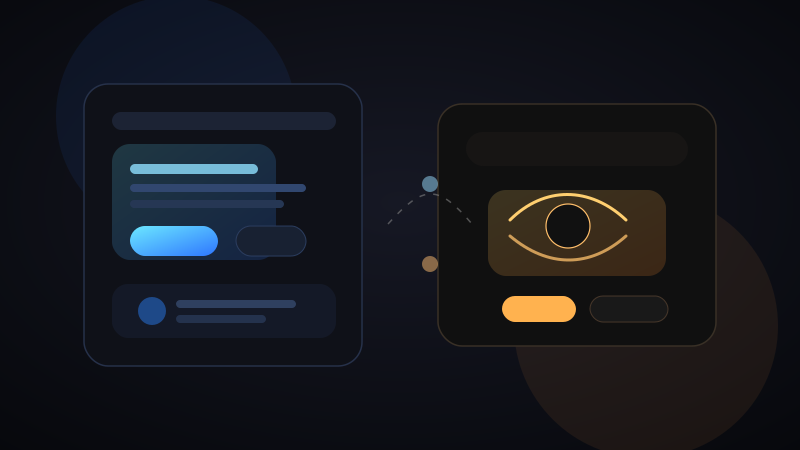
Vibe designing is not a shortcut for vague design work. It is a different starting point. Rather than opening a blank canvas and forcing structure too early, the designer defines the emotional and strategic direction first. Who is this product for? What should it feel like to use? Should it feel sharp and premium, soft and reassuring, bold and experimental, or calm and minimal?
Once that direction is clear, AI tools can help translate those signals into interface concepts, component patterns, and working visual directions much faster than traditional workflows. That speed is what makes the approach so attractive right now. It turns a creative instinct into something a team can review, react to, and improve almost immediately.
Vibe designing works best when the prompt is not just visual. The strongest inputs usually combine audience, product goal, brand tone, and the desired emotional texture of the experience.
02 Why this shift is happening now
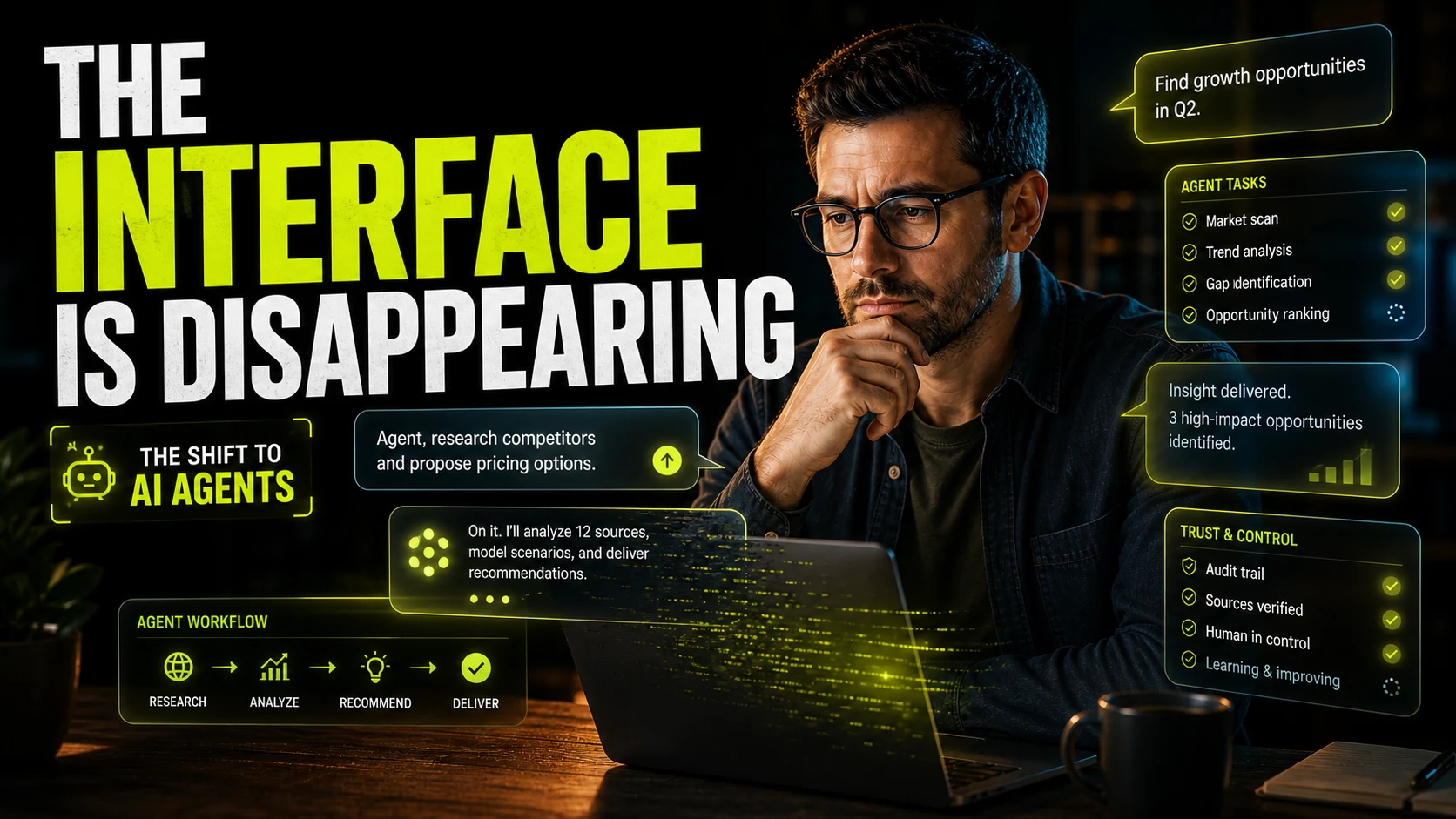
The rise of tools like Figma AI, v0, Lovable, and Bolt.new has changed the economics of exploration. A designer no longer has to spend half a day proving one direction is worth discussing. Multiple directions can now be generated and refined in the same session. That creates a different rhythm inside product teams. Founders can react earlier, agencies can present stronger first rounds, and internal teams can test ideas before committing too much energy to a single layout path.
This is especially powerful in early-stage product work, where momentum matters. When a concept stays abstract for too long, teams stall. Vibe designing gives shape to the conversation early without pretending that the first output is final.
03 The designer's role is not shrinking
The easy mistake is assuming AI makes designers less important. The opposite is happening. If a tool can generate decent layouts in minutes, then taste, judgment, and direction become even more valuable. A generic prompt gets generic work. A thoughtful prompt, followed by real editing and experience thinking, can produce something meaningful.
That is why the strongest designers today are moving beyond pure screen execution. They are becoming curators and creative leads inside the process. If you want to look at that shift more directly, my article on why designers are becoming AI creative directors picks up exactly where this conversation goes next.
What strong vibe designing still needs from a human
- A clear point of view on brand personality and user emotion
- Enough UX judgment to reject beautiful but confusing outputs
- The discipline to refine hierarchy, flows, and accessibility after generation
- A sense of taste strong enough to keep the work from feeling generic
04 Why startups and agencies are paying attention
For startups, vibe designing reduces the cost of uncertainty. It helps teams explore before they overbuild. For agencies, it improves speed in the first concept phase and creates more room for strategic conversation. For product teams, it shortens the path between a rough idea and a clickable direction worth validating.
None of that removes the need for proper design systems, content decisions, or interface rigor. It just means those efforts can happen after a direction has emotional clarity. That sequence matters more than people think.
05 Where Figma AI fits into the workflow
Vibe designing becomes much more practical once it enters familiar tools. That is why Figma's AI direction matters. It turns abstract intent into editable UI much faster and helps teams stay inside a workflow they already understand. I break that down more specifically in how Figma AI is changing modern UI and UX workflows, because this shift is no longer theoretical. It is already shaping everyday production work.
The best teams treat AI-generated work as a starting layer, not a finished product. They use it to accelerate discovery, then bring structure, refinement, and consistency back into the system.
Vibe designing is not about replacing process with prompts. It is about starting with vision before structure, then using AI to move from instinct to interface much faster. The future of product design will belong to teams that know how to mix speed with taste, experimentation with clarity, and automation with real creative direction.
FAQ
Common questions about Vibe Designing and the Future of AI-Powered Product Design
A quick summary of the most common questions readers have about this topic.
Vibe designing is an AI-assisted design approach where teams begin with mood, intent, audience, and brand direction before refining layouts, components, and interaction details.
No. It can speed up early exploration, but user experience thinking, product clarity, and human judgment still determine whether the final design actually works.
Teams often use tools like Figma AI, v0, Lovable, Bolt.new, and similar prompt-driven design tools to explore concepts and accelerate interface generation.
It helps startups move from idea to prototype much faster, test directions earlier, and reduce time spent on repetitive setup work during product discovery.
Creative direction matters most. Designers who can define the right mood, user experience, and product story will get much stronger results from AI tools.